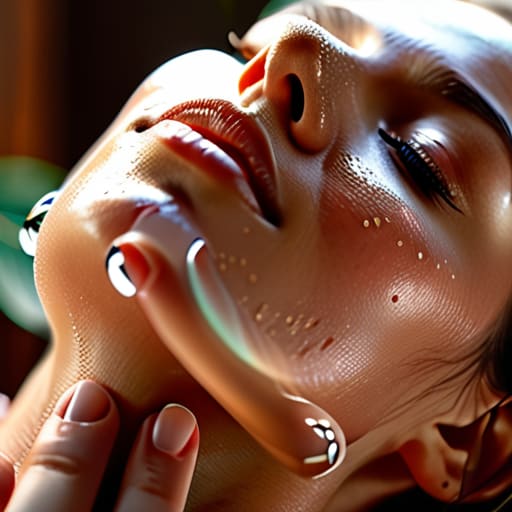
I used to think that if I wasn’t spending sixty dollars on a specialized stone tool or following a complex, twenty-step tutorial from a high-end spa, I was doing it wrong. I was so caught up in the “luxury” of it all that I completely missed the point. Honestly, the skincare industry loves to make facial massage feel like this intimidating, expensive ritual that requires a degree in anatomy to master. But after years of chasing trends and accidentally stripping my skin barrier bare, I’ve learned that the most effective techniques aren’t the ones that cost the most—they are the ones that actually help you connect with your body.
In this post, I’m cutting through the marketing fluff to give you the real, down-to-earth truth about how to actually use facial massage to de-stress and depuff. I’m not going to sell you a fancy gadget or promise you a permanent facelift; instead, I’ll share the simple, science-backed movements that have become my favorite way to ground myself during a hectic morning. Consider this your no-nonsense guide to reclaiming your glow through a few minutes of intentional, quiet movement that fits perfectly into your actual life.
Table of Contents
The Gentle Science of Reducing Facial Puffiness
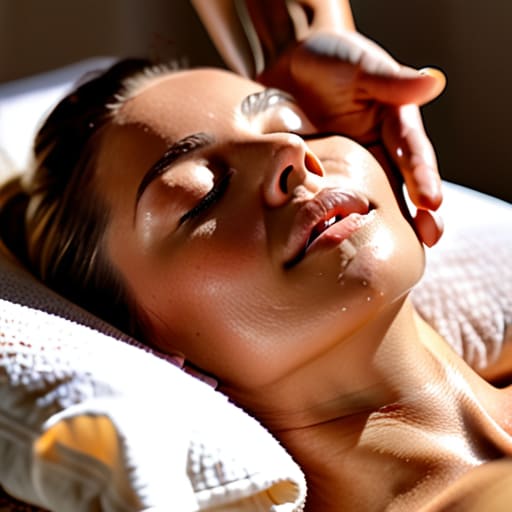
If you’ve ever woken up feeling like your face is just a little too “heavy” or swollen, you aren’t alone. I used to think it was just part of getting older or a side effect of a salty dinner, but it’s usually just stagnant lymphatic fluid. When our lymph system gets sluggish, we see that stubborn congestion around the jawline and under the eyes. This is where reducing facial puffiness through manual movement becomes a game-changer. By using light, rhythmic strokes, you aren’t just moving fluid; you’re essentially helping your body’s natural drainage system do its job more efficiently.
I’ve found that you don’t need expensive tools to see a difference, though I do love a good stone when I have the time. Whether you prefer the targeted pressure of acupressure facial massage or the sweeping motions of a tool, the goal is the same: gentle stimulation. It’s about encouraging circulation and moving that fluid toward the lymph nodes to reveal your actual bone structure. It’s less about “fixing” something broken and more about releasing the tension that keeps your skin looking tired and dull.
Mastering Gua Sha Facial Benefits for Inner Calm
For me, picking up a gua sha tool isn’t just about the physical results; it’s a ritual that signals to my brain that the workday is officially over. While many people chase gua sha facial benefits strictly for the lifting effect, I’ve found that the real magic lies in the stillness it forces upon you. When I’m feeling particularly overwhelmed, I’ll dim the lights, put on my favorite lo-fi tracks, and focus entirely on the sensation of the stone gliding across my skin. It’s less about perfection and more about reconnecting with yourself in a world that constantly demands your attention.
If you’re new to this, don’t feel pressured to master complex movements immediately. You can even combine the tool with simple face yoga exercises to help release the tension we all subconsciously hold in our jaws and brows. I’ve learned through my own skin struggles that forcing a routine can actually cause more stress, so I treat this as a slow, intentional practice. Whether you’re working on facial massage for glowing skin or just trying to breathe through a stressful evening, let the tool be your excuse to finally slow down.
My Simple Cheat Sheet for a Better Glow
- Always, always start with a slip. Never try to massage your face on dry skin—it’s a recipe for irritation and broken capillaries. Use a lightweight oil or a lush balm so your hands can glide effortlessly without tugging at your skin.
- Think upward and outward. Gravity is already doing enough work on us; don’t help it along. When you’re moving your hands, always follow the direction of lymphatic drainage—sweeping from the center of your face toward your ears and down your neck.
- Less pressure is actually more. I used to think I had to press hard to see results, but that just stresses the skin. Use light, rhythmic strokes. It’s more about moving the fluid beneath the surface than deep tissue work.
- Focus on your jawline and brow. These are the two places I hold the most tension from staring at my laptop all day. Spend an extra minute kneading the jaw and smoothing out the space between your eyebrows to release that “workday” tightness.
- Make it a ritual, not a task. Don’t just rush through it while checking your emails. Put on your Lo-Fi playlist, take a deep breath, and actually feel the sensation. If it feels like a chore, you won’t stick with it.
Making It Work for Your Real Life
You don’t need fancy tools or an hour of free time; even two minutes of gentle, upward strokes during your nightly moisturizer application can make a world of difference.
Listen to your skin—if you’re feeling extra sensitive or your barrier feels a bit compromised, skip the heavy pressure and stick to the lightest, most soothing movements.
Treat facial massage as a mental reset rather than another task on your to-do list, using those few quiet moments to actually breathe and reconnect with yourself.
A Moment of Stillness
“To me, facial massage isn’t about chasing some impossible standard of perfection; it’s about taking five minutes to actually touch your own face, breathe, and remind yourself that you’re more than just your morning puffiness or a stressful to-do list.”
Neha Rajagopal
Finding Your Rhythm
At the end of the day, whether you’re using a stone Gua Sha tool or just the warmth of your own fingertips, the goal isn’t perfection. We’ve looked at how these movements can help drain that stubborn morning puffiness and how the ritual itself acts as a bridge to a more grounded mental state. It isn’t about adding another complicated step to a checklist that already feels overwhelming; it’s about repurposing the skincare you already have to serve both your skin barrier and your nervous system. Remember, facial massage is a tool for intentionality, not another chore to master.
I know how easy it is to get caught up in the pursuit of the “perfect” complexion, but I promise you, your skin thrives most when you treat it with kindness rather than intensity. Let these few minutes be your sanctuary—a quiet moment to breathe, to connect with yourself, and to simply be present before the chaos of the day takes over. You don’t need a cabinet full of expensive serums to see a difference; sometimes, all you really need is a little bit of patience and a gentle touch. You’ve got this.
Frequently Asked Questions
How often should I actually be doing this without irritating my skin?
Honestly, the “more is better” mindset is exactly how I ended up with a damaged skin barrier in my twenties. Please don’t overdo it. If you’re just looking for a quick de-puffing fix, a few minutes a few times a week is plenty. If you’re using a Gua Sha for relaxation, maybe aim for three times a week. Listen to your skin—if it feels sensitive or looks red, take a break. Consistency beats intensity every single time.
Do I really need to use a specific oil, or can I just use my regular moisturizer?
Honestly, you don’t need a dedicated facial oil, but I wouldn’t recommend using just a standard moisturizer. Since massage involves physical friction, you need something with “slip” to prevent tugging at your skin—and we definitely don’t want to risk damaging your barrier again. If your moisturizer is too thick or absorbs too quickly, it’ll drag. I usually reach for a lightweight oil, but a rich, emollient cream works too if you’re careful.
Can I do facial massage if I'm currently dealing with active breakouts?
Honestly, this is such a common question, and I get the urge to “massage away” the inflammation. But if you have active, painful breakouts, I’d say hold off. Pushing on inflamed skin can actually spread bacteria or cause more irritation. Instead of a full massage, stick to your gentle, calming products. Once the active spots settle down, that’s when we’ll bring the massage back in to help with the healing process.
