
I still remember the stinging sensation of looking in the mirror after my twenty-first birthday, staring at skin that was red, flaky, and completely betrayed by my own impatience. I thought I was being “proactive” by layering every high-strength active I could find, but all I really did was torch my skin barrier. The beauty industry loves to make retinol usage feel like this high-stakes, intimidating ritual that requires a chemistry degree and a massive budget to get right. Honestly? That’s just noise. You don’t need to punish your face to see real results, and you definitely shouldn’t feel like you’re walking a tightrope every time you apply your evening serum.
I’m not here to sell you on a complicated, twenty-step regimen or a luxury cream that costs more than my monthly grocery bill. Instead, I want to share what actually works for a busy, real-life schedule. I’m going to walk you through a simplified approach to incorporating this ingredient into your life without the chaos. We’re going to focus on gentle, science-backed methods that respect your skin’s natural rhythm, so you can finally stop worrying about the irritation and start enjoying the glow.
Table of Contents
Retinol Application for Beginners a Gentle Way to Start
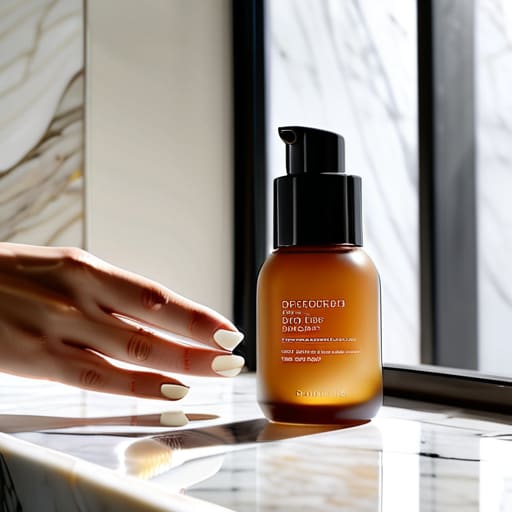
If you’re feeling a bit intimidated by the hype, I totally get it. When I first started, I thought more was better, and I ended up with a red, stinging face that took weeks to calm down. The secret to retinol application for beginners isn’t about how much you use, but how slowly you introduce it. I always recommend the “sandwich method”: apply a thin layer of moisturizer, then your retinol, and then another layer of moisturizer. This creates a buffer that helps minimize those scary side effects of vitamin a derivatives without stripping your barrier.
Start small—we’re talking maybe twice a week at first. You want to give your skin time to adjust before you even think about daily use. It’s also super important to stay mindful of sun sensitivity and retinoids; because this ingredient makes your skin more vulnerable to UV rays, a solid SPF is non-negotiable the next morning. Think of it as a slow, steady dance rather than a sprint. If your skin feels tight or itchy, listen to it and take a break. Your barrier will thank you.
How to Incorporate Retinol Into Skincare Routine Without Chaos
The biggest mistake I see people making is trying to do too much, too fast. When I was first navigating my own skin journey, I thought more was better, but that just led to a broken barrier and a lot of redness. To avoid the chaos, you really need to think about how to incorporate retinol into your skincare routine through a slow, steady approach. Instead of applying it every single night, start with just twice a week. Think of it like training for a marathon; you wouldn’t run twenty miles on day one, right? Your skin needs that time to build up its tolerance.
It’s also vital to pair your treatment with the right support system. I always advocate for the “sandwich method”—applying a layer of moisturizer, then your retinol, and then another layer of cream. This is a lifesaver for managing skin irritation and retinol purging, which can feel a bit overwhelming if you aren’t prepared. Most importantly, never skip your SPF the next morning. Because of the increased sun sensitivity and retinoids cause, your skin is much more vulnerable to UV damage while it’s adjusting. Keep it simple, keep it consistent, and listen to your skin.
My Golden Rules for Not Overdoing It
- Start slow, even if you’re impatient. I know we all want results by next Tuesday, but using retinol just twice a week at first is the best way to avoid that dreaded “purging” phase that leaves your skin feeling raw.
- Moisture is your best friend. Think of your moisturizer as a safety net; applying a gentle cream after your retinol helps buffer the intensity and keeps your skin barrier from feeling like it’s under attack.
- Leave the morning sun to the SPF. Retinol makes your skin way more sensitive to the sun, so if you aren’t wearing sunscreen the next day, you’re basically undoing all your hard work and potentially causing more irritation.
- Keep it simple with your other actives. When you’re introducing retinol, it’s time to put the harsh exfoliating acids and Vitamin C on the back burner for a bit. Mixing too many “strong” ingredients at once is a one-way ticket to a broken skin barrier.
- Listen to your skin, not the hype. If your face feels stinging, tight, or looks flaky, it’s okay to take a few nights off. Skincare should feel like a calm ritual, not a test of endurance.
My Golden Rules for Retinol Success
Less is definitely more—start with a pea-sized amount and give your skin plenty of time to adjust before even thinking about adding more.
Never skip the moisturizer; think of it as a protective hug for your skin barrier while the retinol does its work.
Sunscreen is non-negotiable the next morning, because even the best retinol routine can’t fix sun damage.
## A Lesson from My Skin Barrier
“I learned the hard way that more isn’t always better; retinol isn’t a race to see how much your skin can handle, it’s about finding that steady, gentle rhythm that works with your skin rather than against it.”
Neha Rajagopal
Slow and Steady Wins the Race
At the end of the day, using retinol isn’t about following a rigid, complicated set of rules or trying to replicate a high-end spa treatment every single night. It’s about listening to what your skin is actually telling you. Remember to start slow, prioritize your skin barrier with a good moisturizer, and—most importantly—never skip the SPF during the day. If you notice redness or irritation, just take a step back and give your skin some breathing room. We’ve already covered how to integrate it without the chaos; now, the real work is simply staying consistent and patient while your skin finds its new rhythm.
I know how tempting it is to want instant results, especially when we see those glowing, filtered faces all over social media. But trust me, I’ve been there, and I promise that the “more is better” approach is a recipe for burnout and a broken skin barrier. Skincare should be a gentle ritual that grounds you, not another source of anxiety on your to-do list. Treat your skin with kindness, move at your own pace, and remember that true radiance comes from a place of health and balance, not from a twenty-step struggle. You’ve got this.
Frequently Asked Questions
Should I be worried if my skin starts peeling a little bit when I first start using it?
Honestly, take a deep breath—it’s totally normal. I remember being so panicked when my skin started flaking after my first week; I thought I’d broken my barrier all over again. A little bit of peeling is just your skin adjusting to the increased cell turnover. If it’s just mild flaking, keep going, but if it feels stinging or raw, scale back. Just lean harder into your moisturizer and give your skin some grace.
Can I use retinol at the same time as my other serums, or will that just irritate my skin more?
Honestly, this is where things can get messy. I learned the hard way that more isn’t always better. If you’re layering retinol with other strong actives—like Vitamin C or exfoliating acids—you’re basically asking for a compromised skin barrier and a lot of redness. My rule of thumb? Keep it simple. Use your brightening serums in the morning and save the retinol for the evening. If you must layer, stick to soothing, hydrating ingredients like hyaluronic acid.
How long does it actually take before I'll start seeing a real difference in my skin?
I know, the waiting game is the hardest part. When I first started, I wanted results overnight, but skin doesn’t work like that. Honestly? You might see a little glow in a few weeks, but for real, transformative changes—like smoother texture or fading spots—usually take about 12 weeks. It’s a marathon, not a sprint. Just keep being consistent, stay gentle, and trust the process. Your future skin will thank you for the patience.
