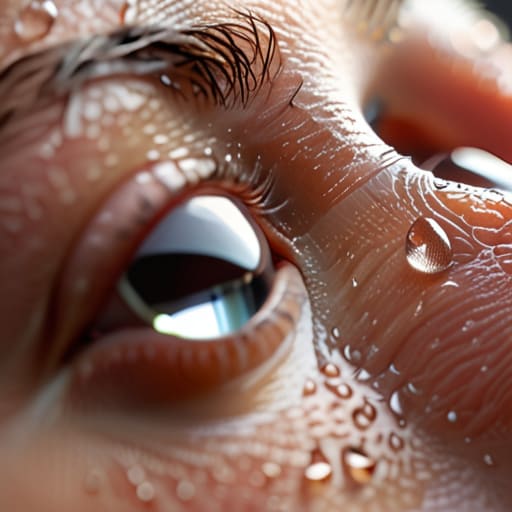
I still remember sitting in my bathroom mirror a few years ago, staring at my reflection through a haze of tears and frustration. I had just finished a “miracle” exfoliating routine that promised glass skin, but instead, my face felt like it was on fire. My skin wasn’t just glowing; it was blotchy, hot, and screaming in a shade of crimson I didn’t know was possible. Dealing with persistent skin redness isn’t just a cosmetic annoyance; it’s a deeply uncomfortable, almost vulnerable sensation that makes you want to hide under a blanket. I spent so much time and money trying to “scrub away” the problem, only to realize I was actually destroying my skin’s natural defenses.
I’m not here to sell you a fifteen-step ritual or some overpriced, neon-colored serum that promises instant miracles. My goal is to help you cut through the marketing noise and find actual peace with your complexion. In this post, I’m sharing the gentle, science-backed essentials I use to soothe irritation and rebuild my barrier. We’re going to focus on what actually works to calm the flush, so you can stop stressing over your routine and start feeling comfortable in your own skin again.
Table of Contents
Understanding Facial Erythema Causes Without the Stress
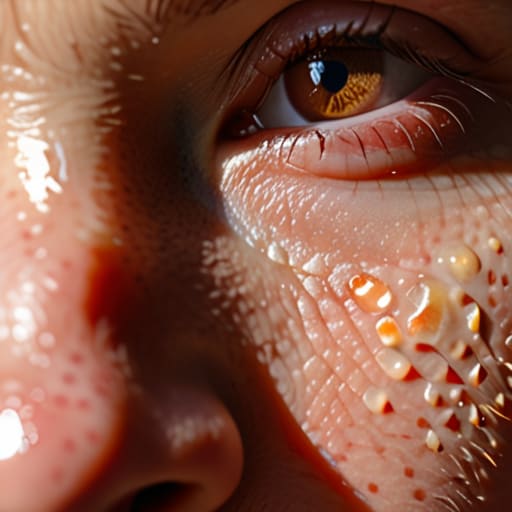
When I first started looking into why my face was constantly flushed, I felt so overwhelmed by the medical jargon. It’s easy to spiral when you start googling facial erythema causes and end up staring at a wall of scary-sounding diagnoses. But honestly? Most of the time, our skin is just trying to tell us it’s overwhelmed. For me, it was a direct result of my “more is better” phase in my early twenties—I was using way too many harsh acids and essentially stripping my skin’s natural defenses.
Sometimes, that persistent warmth or color is just your body’s way of reacting to environmental stressors, like sudden temperature shifts or even just a particularly stressful work week. It’s not always a permanent condition; often, it’s a signal that your barrier needs some love. Instead of jumping to conclusions, I’ve learned to look at it as a cue to simplify my sensitive skin care routine. By focusing on reducing skin inflammation through gentle, intentional habits rather than aggressive treatments, we can help our skin find its way back to a calm, even baseline.
Dermatology Tips for Redness and Gentle Self Care
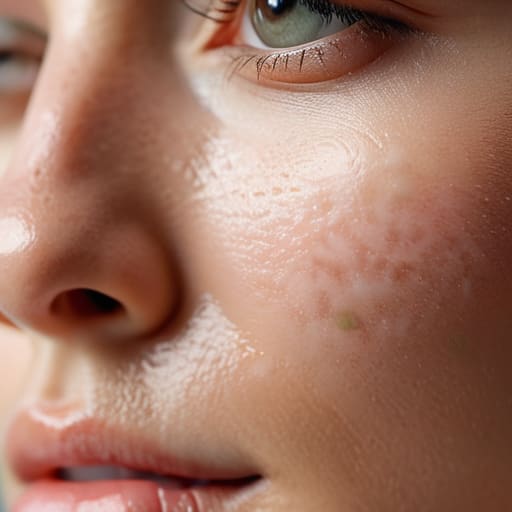
When it comes to actually managing that persistent flush, I always lean on a few tried-and-true dermatology tips for redness that don’t involve a chemistry degree. First, stop reaching for those high-percentage acids when your face feels tight. Instead, look for anti-inflammatory skincare ingredients like centella asiatica (cica), niacinamide, or panthenol. These ingredients work behind the scenes to help with reducing skin inflammation without stripping away your natural oils. Think of them as a soothing balm for your barrier rather than a harsh correction.
I’ve also learned that what you don’t do is just as important as what you apply. If your face is acting up, simplify everything. A minimalist sensitive skin care routine is your best friend here—think a creamy, non-foaming cleanser followed by a simple, hydrating moisturizer. If you feel like you need an extra boost, adding a few drops of soothing facial serums can make a world of difference. It’s about giving your skin the space to breathe and heal, rather than forcing it to change overnight.
My Low-Stress Guide to Calming the Flush
- Strip your routine back to the basics. When my skin is feeling extra reactive, I ditch the harsh acids and exfoliating scrubs entirely. It sounds counterintuitive, but sometimes the best thing you can do for redness is to simply stop doing so much.
- Look for “barrier-first” ingredients. Instead of hunting for the latest miracle active, I lean heavily on things like ceramides, centella asiatica (cica), and panthenol. These aren’t flashy, but they actually help repair the skin’s natural defense system.
- Watch your water temperature. I know it’s tempting to splash your face with hot water to feel awake, but heat is a huge trigger for inflammation. Stick to lukewarm water—it’s much kinder to those tiny, sensitive capillaries.
- Don’t skip the moisturizer, even if you feel oily. Often, redness is a sign that your skin is thirsty and trying to compensate. A simple, fragrance-free moisturizer acts like a soothing hug for your face, locking in hydration and calming irritation.
- Be mindful of “hidden” irritants. Check your products for synthetic fragrances or high concentrations of alcohol. If a product smells like a tropical vacation, it might actually be a recipe for a flare-up. Keep it simple and scent-free when things are sensitive.
Final Thoughts: Finding Your Skin's Balance
Stop the “more is better” cycle; when your skin is red and reactive, less is almost always more.
Listen to your skin’s signals rather than forcing a routine—if it feels stinging or tight, it’s time to strip back to the basics.
Consistency with gentle, barrier-supporting essentials will always beat a temporary fix with harsh actives.
A Shift in Perspective
“Redness isn’t a flaw you need to scrub away; it’s usually just your skin’s way of asking for a little more kindness and a lot less noise.”
Neha Rajagopal
Finding Your Calm Again
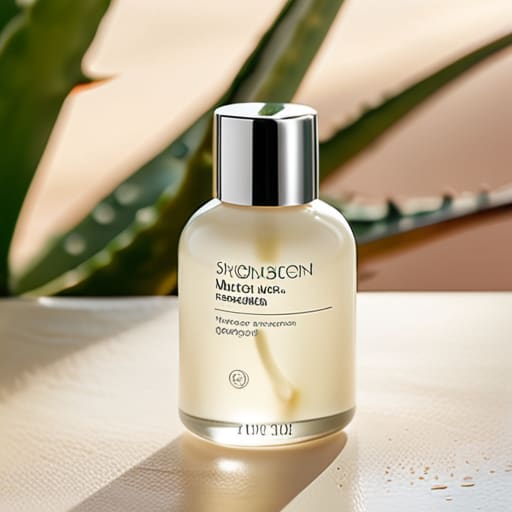
At the end of the day, managing redness isn’t about chasing every new, aggressive ingredient that trends on social media. We’ve talked about how everything from environmental triggers to a compromised skin barrier can cause that angry flush, but the solution is almost always found in simplicity and patience. Instead of reaching for more acids to “fix” the problem, focus on soothing the inflammation with gentle cleansers, hydrating barrier creams, and consistent sun protection. Remember, your skin is a living organ, not a project to be perfected, and sometimes the best thing you can do is strip your routine back to the basics until your natural glow returns.
I know how frustrating it is to look in the mirror and see a complexion that feels “off,” especially when you’re already juggling a million other things. But please try to be kind to yourself during this process. Your worth isn’t tied to how even your skin tone is, and a little redness doesn’t change the person you are. Take a deep breath, put on your favorite lo-fi track, and treat your skincare as a small act of self-care rather than a battleground. You’re doing better than you think, and peace is always possible, even on the days when your skin feels a little loud.
Frequently Asked Questions
Is my redness a sign of a damaged skin barrier, or is it something more permanent like rosacea?
It’s a tough question to sit with, and I know how unsettling that uncertainty can feel. If your redness comes with stinging, tightness, or breakouts, it’s likely a sign your barrier is crying out for help—usually from over-exfoliating. However, if the flushing feels more persistent or follows a specific pattern, it could be rosacea. I’m not a doctor, so if it feels deep-seated, please see a professional to get real clarity.
Can I still use my favorite Vitamin C or retinol if my skin is currently feeling flushed and sensitive?
Honestly? If your skin is feeling flushed and reactive, this is your signal to hit the pause button. I know how much we love our “holy grail” actives, but pushing through the sting with Vitamin C or retinol is a one-way ticket to a damaged barrier. For now, let those sit on the shelf. Focus on hydration and soothing ingredients instead. Once your skin feels calm again, you can slowly reintroduce them—one at a time.
How can I tell the difference between a simple reaction to a new product and a long-term skin condition?
Honestly, I’ve been there—standing in front of the mirror, wondering if I’ve actually damaged my skin or if I’m just having a moment. If it’s a reaction, you’ll usually feel a stinging or itching right after applying something new, and it should settle down within a few days of stopping that product. But if the redness feels constant, stays even when you’ve stripped back your routine, or comes with persistent texture, it’s likely something more long-term.
