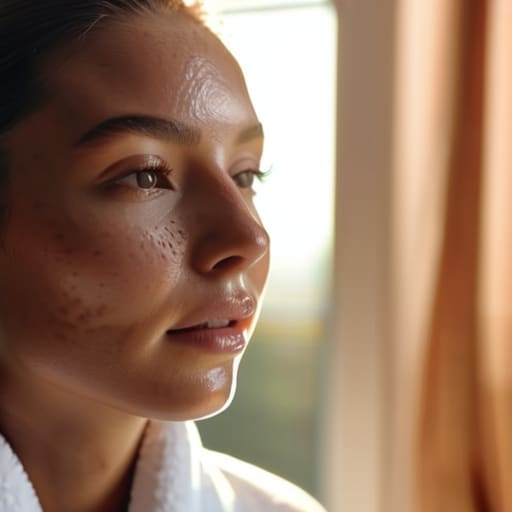
I still remember staring at my reflection in my early twenties, face stinging and blotchy from a “miracle” routine that was actually just a cocktail of too many harsh acids. I thought I needed every high-end serum on the market to get that perfect base, but all I ended up with was a ruined skin barrier and a massive sense of frustration. We’ve been sold this lie that makeup prep skincare has to be a grueling, fifteen-step marathon involving expensive primers and heavy silicones just to keep foundation from clinging to our dry patches. Honestly? That’s not just exhausting; it’s completely unnecessary.
I’m not here to sell you on another complicated ritual that leaves you feeling rushed and stressed before your first cup of coffee. Instead, I want to share the streamlined, science-backed approach I use to get a smooth, luminous finish without the chaos. We’re going to focus on a few essential, calming layers that actually respect your skin’s health while creating the perfect canvas. Consider this your guide to finding a routine that works with you, not against you, focusing on what truly matters for a seamless, healthy glow.
Table of Contents
- Gentle Exfoliation for Smooth Makeup Finish Without the Stress
- The Best Moisturizer for Makeup Application and Lasting Peace
- My Non-Negotiable Steps for a Smooth, Stress-Free Base
- My Final Thoughts on Prepping for a Stress-Free Glow
- The Foundation of a Calm Face
- Finding Your Rhythm
- Frequently Asked Questions
Gentle Exfoliation for Smooth Makeup Finish Without the Stress

If you’re anything like my younger self, you might be tempted to reach for a harsh physical scrub to get that “instant” smoothness. Trust me, I’ve been there, and all it did was leave my skin red and angry. When it comes to exfoliation for smooth makeup finish, less is almost always more. Instead of scrubbing away your skin barrier, I prefer using a gentle PHA or a mild lactic acid. These chemical exfoliants work by slowly dissolving the dead skin cells that cause texture, rather than tearing at the surface.
The goal here isn’t to transform your entire complexion in one sitting, but to create a clean, even canvas. When your skin is properly smoothed out, you’re significantly better at preventing foundation creasing in those pesky areas around the nose or mouth. Think of it as a quiet, meditative step in your morning—just a quick swipe of a gentle toner or a light enzyme peel—to ensure your products sit on your skin rather than getting caught in uneven patches. It’s about working with your skin, not against it.
The Best Moisturizer for Makeup Application and Lasting Peace
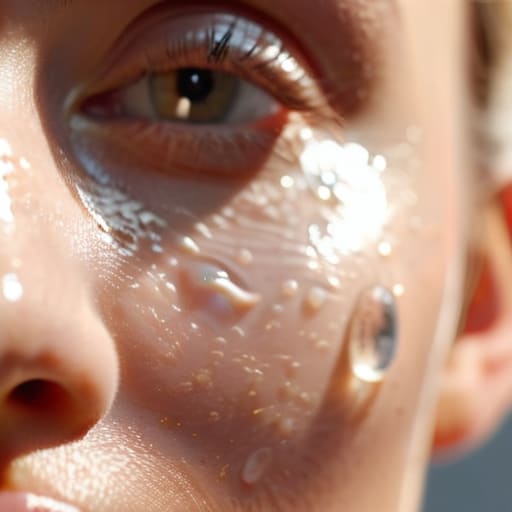
Once you’ve cleared away those dead skin cells, the next step is all about replenishment. After my barrier-ruining days in my early twenties, I learned the hard way that skipping moisture is a recipe for disaster. If your skin feels tight or thirsty, your foundation will never sit right; it’ll just soak up the moisture from your makeup, leaving you looking patchy by lunchtime. Finding the best moisturizer for makeup application means looking for something that bridges the gap between deep hydration and a lightweight finish. I personally gravitate toward water-cream textures—they sink in quickly so I can move on with my morning without waiting forever for my skin to “dry down.”
The real goal here is creating a plump, even canvas that acts as a buffer. When you focus on intentional skin preparation for long lasting makeup, you’re essentially building a foundation of hydration that keeps your products from clinging to dry spots. This is my favorite secret for preventing foundation creasing around the eyes and mouth. You want a layer that feels supple and bouncy, not greasy or heavy. When your skin is properly hydrated, your makeup doesn’t just sit on top; it melts into a seamless, natural-looking finish that lasts all day.
My Non-Negotiable Steps for a Smooth, Stress-Free Base
- Don’t skip the hydration layer. I’ve learned the hard way that if your skin is thirsty, it will literally suck the moisture right out of your foundation, leaving you patchy by noon. A lightweight, soothing serum or essence is my secret weapon for that “plump from within” look.
- Respect your skin barrier above all else. If you’re feeling sensitized, skip the heavy actives before makeup. A calm, hydrated barrier is the best canvas you can ask for; trying to prep with harsh acids when your skin is acting up will only lead to irritation and flaking under your concealer.
- Give your products time to actually sink in. I used to rush through my routine just to get to my coffee, but applying foundation immediately after moisturizer is a recipe for sliding products. I now take a few mindful minutes—maybe while my Lo-Fi playlist is still playing—to let my skincare settle.
- Focus on targeted hydration, not more product. You don’t need a thick layer of everything. If your cheeks feel dry but your T-zone is oily, just layer a bit more moisturizer on those dry spots. It’s about working with your skin’s natural rhythm, not fighting it.
- Keep it simple with your tools. While fancy sponges are great, sometimes a clean, gentle touch with your hands is all you need to press your prep products into the skin. It keeps the process feeling more like a ritual and less like a chore.
My Final Thoughts on Prepping for a Stress-Free Glow
Prioritize barrier health over harshness; if your skin feels tight or irritated, your makeup will never sit right no matter how much primer you use.
Focus on hydration as your foundation, using lightweight layers that sink in rather than sitting on top of your skin.
Keep your routine intentional and minimal—the goal is to create a calm, smooth canvas, not to add more complexity to your morning.
The Foundation of a Calm Face
“Think of your makeup prep not as a list of chores, but as a way to quiet the noise of the day; when your skin feels hydrated and calm, your makeup doesn’t just sit on top—it actually breathes with you.”
Neha Rajagopal
Finding Your Rhythm
At the end of the day, prepping your skin for makeup isn’t about achieving some impossible, filtered perfection. It’s about the small, intentional steps we take—like choosing a gentle exfoliant that doesn’t strip your barrier or finding that one moisturizer that actually sits well under your foundation. By focusing on hydration and soothing your skin rather than piling on dozens of unnecessary layers, you create a canvas that is both smooth and resilient. Remember, the goal is to work with your skin, not against it, ensuring your makeup looks like a natural extension of your glow rather than a mask sitting on top of it.
I know how easy it is to get lost in the endless cycle of new product launches and complicated routines, but I promise you, less really is more. Skincare should be a way to ground yourself, a quiet moment of peace before the chaos of the day begins. Whether you have five minutes or twenty, let your routine be a way to show yourself some kindness. You don’t need a massive budget or a complicated ritual to feel confident; you just need to trust the process and listen to what your skin is actually telling you. You’ve got this.
Frequently Asked Questions
Will applying these extra layers make my foundation feel heavy or cakey by lunchtime?
Honestly, that’s my biggest fear too, especially on busy workdays. But here’s the thing: cakey foundation usually happens because your skin is thirsty or uneven, not because you used too much product. If you focus on lightweight, breathable layers that actually sink in, your makeup will sit much better. Think of it as prepping a smooth canvas rather than piling on heavy creams. When your skin is hydrated, your foundation actually stays fresh longer.
Do I really need a separate moisturizer for makeup prep, or can I just use my regular night cream?
Honestly, you don’t need a separate one, but there’s a catch. My heavy night creams are usually packed with rich oils and repairing ingredients meant to sink in while I sleep. If you layer that under foundation, it can end up feeling greasy or causing your makeup to slide off by noon. For prep, I prefer something lighter and more fast-absorbing. It keeps the glow without the heavy, slippery residue.
How do I know if my skin barrier is too compromised to handle even the gentlest prep routine?
If your skin feels tight, looks shiny but feels dry, or stings when you apply even your most basic moisturizer, your barrier is likely crying for help. I learned this the hard way—I used to mistake that “tight” feeling for being clean, but it was actually damage. If your face feels reactive or even slightly itchy after your routine, stop everything. Put the exfoliants away and just focus on hydration until that calm returns.
