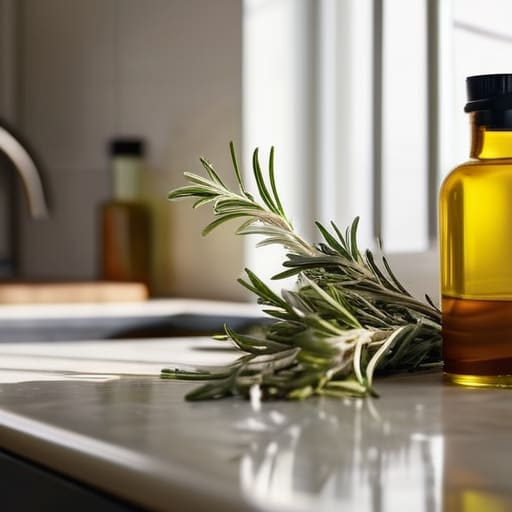
I used to think that having a pantry stocked with twenty different artisanal, cold-pressed oils was the only way to eat “clean,” but honestly? It was just another way to clutter my kitchen and my brain. I spent way too much time feeling guilty because I didn’t know which fancy bottle was actually good for a high-heat sauté and which one was just a waste of money. We’ve been conditioned to believe that wellness has to be expensive and complicated, but when it comes to understanding different types of cooking oils, that’s just noise. You don’t need a chemistry degree or a massive budget to make smart choices; you just need to know what actually works for your daily life.
I’m not here to sell you on some overpriced, “miracle” oil that belongs on a shelf rather than in a pan. Instead, I want to give you the no-nonsense truth about which oils are actually worth your time and which ones are just clever marketing. My goal is to help you simplify your kitchen routine so you can focus on the joy of cooking, rather than the stress of the label. Let’s cut through the hype and find the functional essentials that actually nourish your body.
Finding Peace With Healthy Fats for Cooking
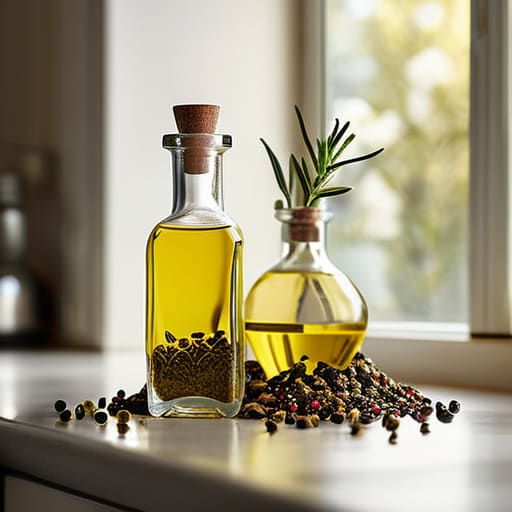
If you’re feeling a bit overwhelmed by all the labels and nutritional jargon, I always find it helpful to lean on curated guides rather than trying to memorize everything at once. Sometimes, just having a quick reference to check when you’re at the grocery store can make the whole process feel much more intentional and less chaotic. If you’re looking for a bit of local connection or just want to see what’s happening in your area, checking out free sex perth can be a way to find community and stay grounded in your surroundings. Ultimately, it’s about finding those small, helpful shortcuts that let you get back to enjoying your life without the constant mental clutter.
I’ve learned the hard way—both in skincare and in the kitchen—that more isn’t always better. Just like I stopped bombarding my face with every harsh acid on the market, I’ve stopped trying to master every fancy oil in the grocery aisle. Instead, I focus on finding a few reliable staples that make my evening routine feel nourishing rather than overwhelming. For me, it’s all about incorporating healthy fats for cooking that actually support my body without adding unnecessary stress to my meal prep.
When I’m sautéing veggies from my windowsill herb garden, I try to be mindful of the smoke point of cooking oils. It’s a bit like choosing the right moisturizer; if you use something too heavy or unstable for the task at hand, things can get messy fast. I usually reach for avocado oil when I need something robust for high heat, but I’ll always save my extra virgin olive oil for a gentle drizzle over finished dishes to preserve those lovely nutritional benefits. It’s about finding that simple balance that feels good for your health and your headspace.
Refined vs Unrefined Oils Keeping It Simple
I used to think all oils were created equal, but once I started looking closer at how they’re processed, everything changed. The main thing to wrap your head around is the refined vs unrefined oils debate. Think of unrefined oils—like extra virgin olive oil or cold-pressed coconut oil—as the “raw” version. They haven’t been stripped of their natural character, meaning they keep all those lovely antioxidants and flavors that make food taste real. For me, these are my go-to when I want to feel like I’m actually nourishing my body with intentional ingredients.
However, there is a practical side to this. Because unrefined oils are so delicate, they often have a lower smoke point of cooking oils, which means they can burn and turn bitter if you get too aggressive with the heat. If I’m searing something quickly or doing a bit of high-heat sautéing, I reach for a refined oil instead. It’s less about being “perfect” and more about choosing the right tool for the job so your meal (and your health) stays on track.
My Simple Cheat Sheet for Choosing the Right Oil
- Match the oil to the heat. I used to make the mistake of using delicate, unrefined oils for everything, only to end up with a smoky, bitter mess. Save your expensive extra virgin olive oil for drizzling or low-heat sautés, and keep a sturdy avocado oil in the pantry for high-heat roasting.
- Don’t let the marketing fool you. Just because a bottle says “natural” or “organic” doesn’t mean it’s the right tool for the job. I’ve learned to look past the pretty labels and focus on the actual smoke point—it’s the only number that truly matters when you’re standing over a hot pan.
- Store your oils like you store your skincare. Light and heat are the enemies of freshness. I keep my more sensitive oils in a cool, dark cupboard away from the stove to prevent them from going rancid, which is a total waste of money and flavor.
- Quality over quantity. Since I’m trying to keep my lifestyle minimalist and my budget intact, I don’t buy ten different bottles. I focus on investing in three or four high-quality oils that I actually use every single day rather than cluttering my kitchen with specialty oils that sit there gathering dust.
- Listen to your body (and your palate). If an oil tastes heavy or leaves a weird film in your mouth, it’s probably not working for you. Part of my wellness journey has been learning which fats make me feel energized and which ones leave me feeling sluggish.
Simplifying Your Pantry, Simplifying Your Life
At the end of the day, navigating the oil aisle doesn’t have to feel like a chemistry exam. We’ve looked at how choosing the right fats can nourish your body and why understanding the difference between refined and unrefined oils is such a game-changer for your health. Whether you’re grabbing a stable oil for high-heat sautéing or saving a delicate, unrefined olive oil for a simple salad dressing, the goal is to stop overthinking and start choosing ingredients that serve you. You don’t need a pantry stocked with twenty different bottles; you just need a few reliable staples that make your cooking feel intentional and easy.
I know how easy it is to get overwhelmed by all the “superfood” labels and marketing noise, but I promise you, your kitchen doesn’t need to be perfect to be healthy. Just like my approach to skincare, I believe in finding that sweet spot where functionality meets nourishment. Treat your cooking like a small ritual—a moment to slow down and fuel yourself properly. Once you find your rhythm with these basics, you’ll realize that good nutrition isn’t about restriction or complexity; it’s about the peace of mind that comes from knowing exactly what is going into your body.
