
I remember sitting on my bathroom floor a few years ago, staring at a face that felt raw and angry because I’d tried every aggressive, high-percentage acid on the market. I was obsessed with the idea of skin brightening, thinking that if I just used more—more strength, more steps, more expensive serums—I’d finally achieve that perfect, lit-from-within glow. But all I actually achieved was a compromised skin barrier and a lot of unnecessary frustration. We’ve been sold this lie that brightening requires a chemical warfare approach, when in reality, most of those “miracle” products are just overwhelming your skin for the sake of a marketing budget.
I’m not here to sell you a twelve-step ritual or a collection of luxury bottles that promise the moon. Instead, I want to share what actually works for a busy, real-life schedule: gentle, science-backed ingredients that support your skin’s natural health. In this guide, we’re going to cut through the noise and focus on effective, low-stress methods for achieving a brighter complexion. No hype, no irritation, just the honest truth about how to look and feel your best without the burnout.
Table of Contents
The Truth About Vitamin C Serum Benefits
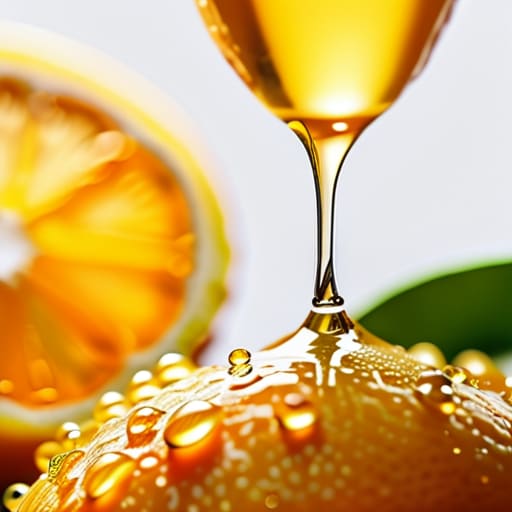
If there’s one ingredient that’s often treated like a holy grail, it’s Vitamin C. I remember when I first started diving into skincare, I thought I needed every single antioxidant on the market. But after seeing how much my skin struggled with redness and unevenness, I realized that Vitamin C is really the heavy lifter for anyone looking into dark spot reduction. It works by helping to regulate melanin production, which is a fancy way of saying it helps fade those stubborn marks left behind by old breakouts or sun exposure.
The real magic of Vitamin C serum benefits, though, isn’t just about fixing what’s already there; it’s about protection. When you incorporate it into your morning routine, it acts like a little shield against environmental stressors that can dull your complexion. For me, it’s become a non-negotiable step in my glowing skin routine because it provides that subtle, healthy luminosity without requiring a dozen different products. It’s one of those rare, science-backed ingredients that actually lives up to the hype without overcomplicating your life.
Essential Skin Brightening Ingredients That Actually Work
Beyond Vitamin C, there are a few other heavy hitters I always look for when I’m scanning a label. Niacinamide is a personal favorite of mine because it’s so incredibly gentle. If you, like me, have a sensitive skin barrier from years of experimenting too much, niacinamide is a dream for melanin production control without the irritation. It helps even out your tone and calms redness, making it a staple in my low-maintenance morning routine.
I also swear by Alpha Arbutin when I’m dealing with stubborn patches. It’s a much softer way to approach dark spot reduction compared to some of the harsher acids I used to use in my early twenties. It works steadily to fade those lingering marks left behind by sun exposure or old breakouts. Lastly, don’t underestimate the power of gentle exfoliation for radiance. Using a mild AHA once or twice a week helps clear away dead skin cells that make your complexion look dull, allowing your other products to actually sink in. It’s about working with your skin, not against it.
My Low-Stress Approach to Brightening Your Skin
- Don’t skip the SPF. I learned the hard way that all the brightening serums in the world won’t matter if you aren’t protecting your skin from the sun. UV damage is the fastest way to dull your complexion, so make sunscreen your non-negotiable foundation.
- Focus on consistency over intensity. It’s tempting to use a high-strength acid to see instant results, but that’s how I ended up with a damaged barrier years ago. Slow and steady wins the race; applying a gentle brightening agent every other day is much better than one harsh session that leaves you red and irritated.
- Hydration is your secret weapon. Sometimes what we think is “dullness” is actually just dehydration. When your skin is well-hydrated, it reflects light better, giving you that natural glow without needing to layer on extra actives.
- Layer your products thoughtfully. If you’re using a Vitamin C serum, try applying it to slightly damp skin (if the formula allows) or pairing it with a good moisturizer to lock everything in. It’s about making sure those ingredients actually have a chance to sink in.
- Listen to your skin’s “mood.” If your face feels tight, stinging, or looks unusually shiny/waxy, your barrier might be struggling. Take a break from the brightening actives and go back to basics—just a gentle cleanser and a soothing moisturizer—until your skin feels grounded again.
My Simple Rules for Brightening Without the Burnout
Focus on quality over quantity; you don’t need a shelf full of products, just a few effective ingredients like Vitamin C or Niacinamide that respect your skin barrier.
Consistency is your best friend, but don’t force a complex routine if it feels like a chore—a simple, steady habit is much better than a complicated one you’ll eventually quit.
Listen to your skin above all else; if a brightening product makes you feel irritated or tight, it’s okay to step back and prioritize soothing your barrier first.
Less Noise, More Glow
“Brightening your skin shouldn’t feel like a chemistry experiment or a marathon. It’s about finding those few, gentle ingredients that respect your barrier while helping you feel a little more luminous in your own skin.”
Neha Rajagopal
Finding Your Balance
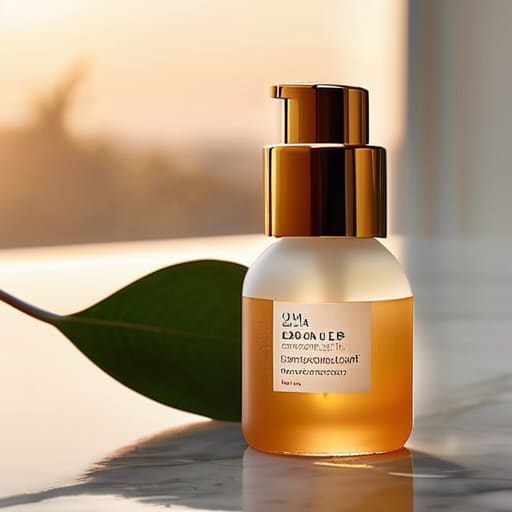
At the end of the day, brightening your skin doesn’t have to mean a complicated, expensive overhaul of your entire bathroom cabinet. We’ve talked about why Vitamin C is such a powerhouse and which ingredients actually deliver results without stripping your barrier away. The goal isn’t to chase an impossible standard of perfection, but to find those thoughtful, science-backed additions that make you feel more confident. Whether it’s a gentle serum or a reliable moisturizer, remember that consistency beats complexity every single time. You don’t need a dozen different bottles to see a difference; you just need the right ones used with intention.
I know how easy it is to get lost in the noise of endless beauty trends, especially when you’re just trying to find a moment of peace in a busy morning. But please, be kind to yourself throughout this process. Your skin is a living organ, not a canvas that needs constant fixing, and it deserves a gentle touch. Focus on nourishing your complexion rather than punishing it with harsh actives. When you treat your skincare as a moment of self-care rather than a chore, you’ll find that true radiance comes from within—and from a healthy, happy skin barrier.
Frequently Asked Questions
Can I use brightening ingredients if I already have a sensitive skin barrier?
Honestly, I’ve been there. After I wrecked my own barrier with too many harsh actives, I learned the hard way: if your skin feels stinging, tight, or looks red, stop everything. You can still brighten, but you have to pivot. Instead of high-percentage acids, look for soothing brightening agents like Niacinamide or Azelaic Acid. Focus on repairing your moisture barrier first; once your skin feels calm again, then you can slowly reintroduce the glow-getters.
How long does it actually take to see a difference in my skin tone?
I know the feeling—you apply that expensive serum, look in the mirror ten minutes later, and feel a little let down when nothing has changed. Trust me, I’ve been there. Real skin transformation isn’t an overnight miracle; it’s a slow burn. Generally, you’re looking at about four to six weeks to see a visible shift in tone. This is because it takes time for your skin cells to actually turn over. Be patient with yourself.
Do I need to use sunscreen every day if I'm using brightening serums?
Honestly? Yes. Absolutely, 100% yes. If you’re investing in brightening serums without wearing sunscreen, you’re essentially throwing your money down the drain. Most of those active ingredients—especially Vitamin C—make your skin a bit more sensitive to the sun. Plus, UV rays are the number one cause of the very dark spots you’re trying to fade. Think of sunscreen as the protective shield that actually lets your brightening products do their job.
