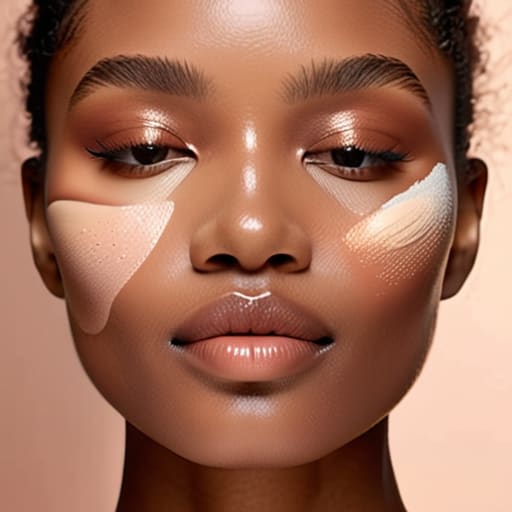
I still remember standing in a brightly lit department store bathroom three years ago, staring at my reflection and feeling completely defeated. I had just swiped five different testers across my jawline, and somehow, every single one of them made me look either like a ghost or a literal orange. It was one of those moments where the sheer complexity of beauty marketing felt so exhausting. We’re constantly told we need high-tech scanning tools or a dozen different swatches to get it right, but honestly, learning how to choose the right foundation shade shouldn’t feel like a math exam.
I’m not here to sell you on a fancy new gadget or a twenty-step color-matching ritual. Instead, I want to share the simple, grounded approach I use to find my match without the stress. I’ll walk you through how to identify your undertones and where to actually test products so they melt into your skin rather than sitting on top of it. Let’s cut through the marketing noise and find your perfect match with a bit of common sense and a lot less overwhelm.
Decoding Your Canvas Understanding Skin Undertones
Before we even talk about product textures or coverage, we have to talk about the “hidden” layer: your undertone. I used to make the mistake of only looking at how light or dark my skin was, which is why I’d often end up with a foundation that looked like a mask. Understanding skin undertones is the real secret to making a product look like actual skin rather than makeup. Think of your surface tone (fair, medium, deep) as the canvas, but your undertone is the actual color temperature living underneath it.
So, how do you figure out if you’re leaning towards warm vs cool vs neutral undertones? A quick trick I swear by is looking at the veins on your wrist in natural light. If they look greenish, you’re likely warm; if they’re blue or purple, you’re cool. If you can’t quite tell, you probably fall into that lovely, flexible neutral category. Don’t overthink it too much, though—it’s more about finding a balance that doesn’t make you look unexpectedly ashy or overly orange by midday.
Warm vs Cool vs Neutral Undertones Explained
Think of your undertone as the permanent color beneath your skin’s surface—it’s the “soul” of your complexion that doesn’t change, even if you get a tan. If you notice your skin has hints of golden, yellow, or peachy hues, you likely fall into the warm category. People with warm undertones often find that gold jewelry looks more harmonious against their skin. On the flip side, if you lean toward pink, red, or even bluish tones, you’re most likely cool. For those of us who feel like we sit right in the middle—perhaps looking equally good in silver and gold—you’re part of the beautiful neutral camp.
Understanding skin undertones is the real secret to avoiding that dreaded “mask” look where your face doesn’t quite match your body. If you’re struggling with warm vs cool vs neutral undertones, try looking at the veins on your wrist in natural light. Greenish veins usually signal warmth, while blue or purple ones point toward cool tones. It’s a simple, low-stress way to narrow down your options before you even touch a bottle.
My Real-World Rules for Finding "The One"
- Skip the wrist test. I know everyone says to check your veins, but your wrist skin can be weirdly different from your face. Instead, swatch the foundation along your jawline—it’s the bridge between your face and neck, and it’s the only way to see if the color actually disappears into your skin.
- Natural light is your best friend (and your harshest critic). I’ve made the mistake of buying a shade that looked perfect under the warm glow of a drugstore aisle, only to step outside and realize I looked like I was wearing a mask. Always, always take a hand mirror to a window before you commit.
- Don’t fear the oxidation. Some foundations look great the second you blend them in, but then they sit on your skin for twenty minutes and turn a shade darker or more orange. Give your swatch a little time to “settle” and breathe before you decide it’s a winner.
- Less is more when testing. You don’t need to slather your whole face in five different testers. Just a small, thin streak is enough to see the undertone. It keeps the process calm and prevents that overwhelming feeling of having a messy face while you’re just trying to shop.
- Remember that your skin changes with the seasons. I used to get so frustrated when my “perfect” summer shade looked ghostly in December. Think about your skin’s baseline, not just how you look right this second, and don’t be afraid to adjust your shade as the months roll on.
Finding Your Flow
At the end of the day, finding your match is really just about a little bit of patience and a lot of natural light. Remember that it’s not just about the surface color, but how that undertone—whether it’s warm, cool, or that elusive neutral—actually interacts with your skin. Don’t feel like you have to get it perfect on the first try or during a frantic trip to the drugstore. Take your time to swatch, check the color in different lighting, and most importantly, listen to how your skin feels once the product is applied. It’s about finding that sweet spot where the foundation stops looking like makeup and starts looking like you.
I know how overwhelming the beauty aisle can feel sometimes, especially when it feels like there are a thousand different options staring you down. But I want you to remember that your skin is more than just a canvas for products; it’s your home. Choosing the right shade should be a way to enhance your natural self, not a way to mask it or create more stress in your morning. So, take a deep breath, put on your favorite Lo-Fi track, and approach your beauty routine as a moment of peace rather than a task to be conquered. You deserve to feel comfortable and confident in your own skin, no matter what shade you’re wearing.
Once you’ve figured out those undertones, the next step is usually the most intimidating: actually testing the colors on your skin. I used to stand in the middle of the drugstore aisle feeling completely overwhelmed, but I’ve learned that you don’t need a professional setup to get it right. If you’re feeling a bit lost or just need a little extra guidance while navigating these choices, checking out some teen sex text chat resources can sometimes offer a different perspective on finding community and support during those formative years of self-discovery. Personally, I find that taking a deep breath and testing shades on my jawline in natural light is the ultimate way to avoid that dreaded “mask” look.
