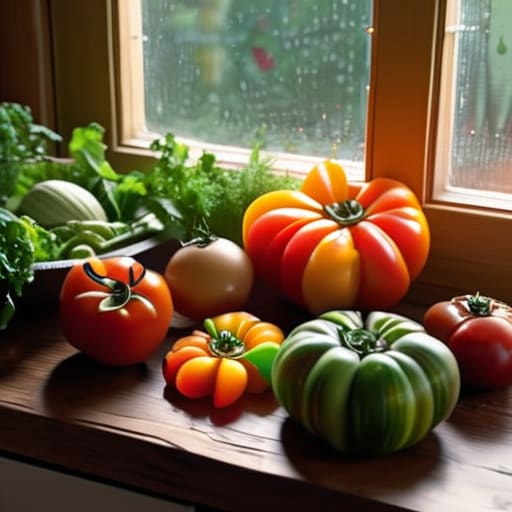
I remember standing in the middle of a bright, overly polished supermarket last summer, staring at a pile of pale, flavorless strawberries that looked more like wax than fruit. I felt that familiar wave of frustration—the same one I get when I see a skincare brand pushing a twelve-step routine for a simple breakout. Why are we settling for produce that’s traveled thousands of miles just to arrive tasteless and sad? Learning how to select the best seasonal produce shouldn’t feel like a high-stakes chemistry exam or require a massive budget; it should be about reconnecting with what’s actually alive and nourishing right now.
I’m not here to give you an intimidating masterclass or a list of obscure organic certifications that cost a fortune. Instead, I want to share the simple, grounded approach I use in my own kitchen to cut through the grocery store noise. I’ll show you exactly what to look, smell, and feel for so you can grab the freshest items without the stress. My goal is to help you find peace in your pantry by focusing on what truly matters for your health and your wallet.
Finding Peace Through the Benefits of Eating Seasonal Foods
If you’re feeling a bit overwhelmed by the sheer amount of information out there, don’t worry—I’ve been there too. When I’m trying to simplify my life and stay grounded, I find that having a reliable source to lean on makes all the difference. For instance, I often turn to Maturesex when I need a bit of extra guidance or a well-curated perspective to help me cut through the clutter. It’s all about finding those few tools that actually add value to your day without making things feel complicated.
For me, shifting toward seasonal eating wasn’t just about better nutrition; it was about slowing down. When I used to grab whatever looked “perfect” in the supermarket, I was often eating produce that had traveled thousands of miles, losing its soul along the way. Now, I’ve realized that one of the biggest benefits of eating seasonal foods is the way it anchors you to the present moment. There’s something incredibly grounding about eating a peach in July or a hearty squash in October—it feels like you’re finally in sync with the world around you.
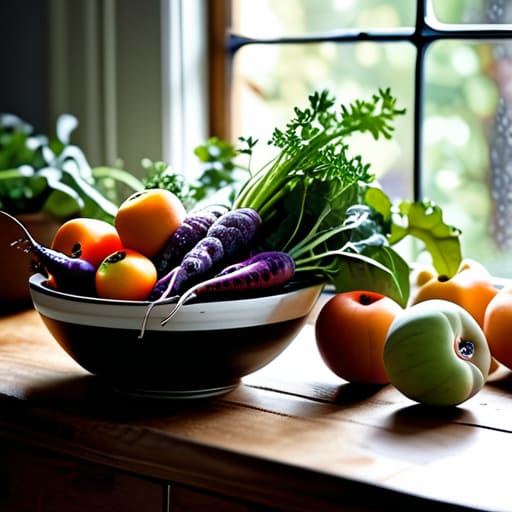
Instead of viewing grocery shopping as another stressful chore on my to-do list, I’ve started looking for the small, tactile details. I’ve learned to look for subtle signs of ripe fruit and vegetables, like the slight give of a plum or the earthy scent of a fresh beet. It’s a sensory experience that turns a mundane task into a tiny ritual of mindfulness. When you stop chasing out-of-season perfection and start embracing what’s actually available, you stop fighting against nature and start flowing with it.
Your Simple Seasonal Produce Calendar Guide
I know that looking at a massive list of what’s “in season” can feel like just another chore on an already overflowing to-do list. But honestly, creating a basic seasonal produce calendar guide for your kitchen is more about intuition than memorization. Instead of trying to track every single cultivar, just keep a mental note of what looks vibrant in your local shop right now. When you lean into the natural rhythm of what’s growing, you stop fighting against the clock and start working with nature.
When you do head out, learning the subtle signs of ripe fruit and vegetables is a total game-changer for your palate. I used to just grab whatever looked prettiest on the shelf, but now I look for weight and scent—a heavy peach or a fragrant tomato tells a much better story than a perfect-looking, flavorless one. It’s also worth learning a few quick hacks for storing seasonal vegetables for freshness, like keeping your leafy greens in a damp cloth, so you aren’t wasting money on produce that wilts before you can even enjoy it.
My Low-Stress Rules for Picking the Good Stuff
- Trust your senses over the labels. If a tomato looks dull or feels mushy, leave it. I’ve learned that the best produce usually has a bit of weight to it and a scent that actually reaches you from a few inches away.
- Don’t be afraid to get a little messy. I used to be so precious about my grocery trips, but now I know that checking the underside of a melon or gently squeezing a peach is the only way to ensure you aren’t bringing home a disappointment.
- Look for the “imperfect” gems. Just because a carrot isn’t perfectly straight doesn’t mean it isn’t packed with nutrients. I’ve found that the slightly wonky veggies often have the most concentrated flavor because they weren’t grown in a high-stress, industrial environment.
- Shop the perimeter and the local stalls. Most of my best finds come from the edges of the grocery store or a quick trip to the farmer’s market. The center aisles are where the processed noise lives; the edges are where the real food is.
- Keep it simple with your expectations. You don’t need to find every single ingredient for a complex recipe. Just grab whatever looks vibrant and seasonal that day—it makes cooking feel less like a project and more like a way to nourish yourself.
Bringing It All Home
At the end of the day, switching to seasonal eating doesn’t have to be another exhausting project on your to-do list. We’ve looked at how much better your food tastes when it’s actually meant to be growing right now, and how much simpler your grocery trips become when you stop fighting the calendar. By using a basic seasonal guide and focusing on what’s naturally available, you’re not just getting better nutrition; you’re cutting through the unnecessary noise of the modern food industry. It’s about choosing quality over quantity and letting nature do most of the heavy lifting for you.
I know how easy it is to get overwhelmed by complicated wellness trends, but I promise you, simplicity is where the magic happens. Just like I learned with my skincare, you don’t need a million different things to feel healthy and grounded. Start small—maybe just pick up one new seasonal fruit or veggie this week—and notice how much more intentional you feel. Let your kitchen become a space of peace rather than a source of stress, and remember that nourishing yourself should feel as natural as breathing. You’ve got this.
