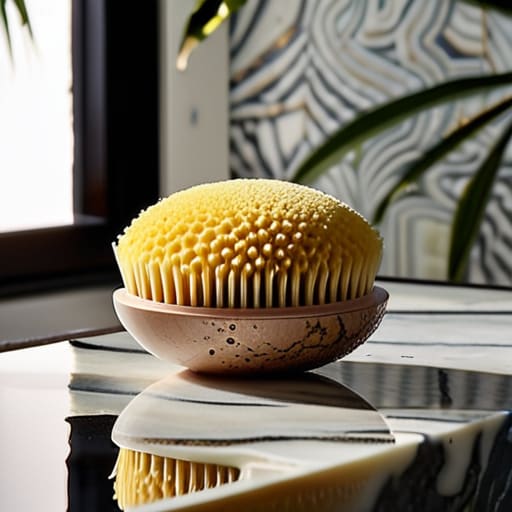
I still remember the stinging, raw sensation of looking in the mirror after a “deep cleanse” session that went horribly wrong in my early twenties. I had convinced myself that if my skin didn’t feel tight and slightly irritated, it wasn’t actually working. I was chasing that aggressive, squeaky-clean feeling by overusing every harsh physical scrubber I could find, completely ignoring the fact that I was shredding my skin barrier in the process. We’ve been sold this lie that effective exfoliation requires grit, friction, and a cabinet full of expensive, complicated exfoliating tools that feel more like a chore than a ritual.
I’m here to tell you that you don’t need to punish your face to see results. My goal isn’t to sell you on the latest viral gadget, but to help you find the one or two simple methods that actually respect your skin’s biology. I’ve spent years trial-and-erroring my way through the noise so you don’t have to. In this guide, I’m breaking down which tools are actually worth your counter space and which ones are just expensive clutter, keeping things minimalist, effective, and honest.
Table of Contents
Chemical vs Physical Exfoliation Finding Your Skins Peace
I used to think that if my skin didn’t feel “squeaky clean” after scrubbing, I wasn’t actually doing anything. I spent way too much time aggressively using walnut scrubs, thinking I was helping, when I was actually just micro-tearing my face. Now, I look at chemical vs physical exfoliation through a much more mindful lens. Physical exfoliation—think gentle scrubs or soft cloths—is great for that instant gratification of feeling smoother, but it can be a bit of a gamble if you have a compromised barrier.
On the other hand, chemical exfoliants like AHAs or BHAs work by dissolving the “glue” holding those old cells together. For me, this has been a game-changer for improving skin radiance without the manual labor. If you have reactive skin, searching for specific exfoliation for sensitive skin (like PHA or very low-percentage lactic acid) is much more about working with your biology rather than fighting against it. It’s less about the scrub and more about finding that gentle, steady rhythm that keeps your skin calm and clear.
Simplifying Dead Skin Cell Removal for Real Radiance
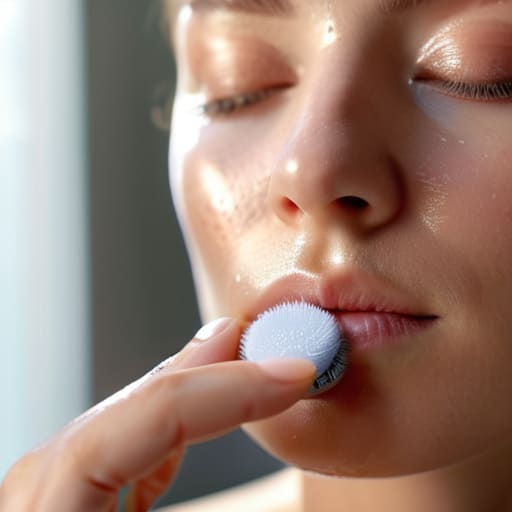
When I was in my early twenties, I used to think that if my skin didn’t feel tight or slightly stinging, I wasn’t doing anything right. I was obsessed with aggressive scrubbing, thinking more was better. Looking back, I realize I was just stripping away my natural protection. Real dead skin cell removal isn’t about punishment; it’s about gently clearing the way so your skin can actually breathe and absorb the good stuff.
Instead of chasing that intense, temporary “clean” feeling, I’ve learned to focus on improving skin radiance through consistency rather than intensity. Whether you choose a soft silicone brush or a gentle acid, the goal is to support your skin’s natural cycle. If you have a reactive complexion, prioritizing exfoliation for sensitive skin means choosing products that respect your barrier rather than fighting against it. For me, it’s about finding that sweet spot where my skin looks bright and healthy, but still feels calm and hydrated. It’s a small shift in mindset, but it makes your entire routine feel so much more intentional.
My Low-Stress Rules for Using Exfoliating Tools
- Listen to your skin above all else. If your face feels tight, stinging, or looks a little too pink after using a tool, that’s your skin’s way of saying “stop.” I learned this the hard way after overdoing it with harsh scrubs in my early twenties, so please, don’t push through the discomfort.
- Less is definitely more when it comes to frequency. You don’t need to be exfoliating every single day to see a difference. For most of us, one or two times a week is plenty to keep things glowing without stripping away that essential moisture barrier we’ve worked so hard to rebuild.
- Cleanliness is non-negotiable. Whether you’re using a silicone scrubber or a soft muslin cloth, make sure you’re washing your tools thoroughly after every single use. I like to treat my tools with the same hygiene standards as my herb garden—cleanliness prevents unwanted guests from settling in.
- Avoid the “scrubbing” urge. It’s tempting to really get in there and buff away the dullness, but most tools are designed to work with light, circular motions. Think of it as a gentle massage rather than a deep clean; you want to support your skin, not attack it.
- Pair your tools with kindness. After you’ve used an exfoliating tool, your skin is extra receptive. This is the perfect moment to follow up with a soothing, barrier-repairing moisturizer or a calming serum. It turns the exfoliation from a “procedure” into a moment of actual self-care.
My Golden Rules for Exfoliating Without the Stress
Listen to your skin above all else; if your barrier feels tight or sensitive, it’s time to put the tools away and just focus on hydration.
Less is definitely more—you don’t need to exfoliate every day to see results, and overdoing it is the fastest way to undo all your progress.
Choose one reliable method that fits your morning or evening flow so that skincare feels like a gentle reset rather than another chore on your to-do list.
Less is More When It Comes to Texture
“I spent years thinking more friction meant better results, but all I really did was irritate my skin. Now, I view my exfoliating tools not as something to scrub the skin into submission, but as a gentle way to clear the path for the products that actually nourish me.”
Neha Rajagopal
Finding Your Rhythm
At the end of the day, choosing an exfoliating tool isn’t about following the latest viral trend or owning every gadget on the market. It’s about understanding that your skin is a living, breathing thing that deserves gentle respect. Whether you decide to lean into the precision of a chemical exfoliant or the tactile sensation of a soft physical tool, the goal remains the same: removing the dullness without stripping away your natural protection. Remember, if your skin feels tight, red, or irritated, it’s a sign to step back and simplify. You don’t need to overdo it to see results; consistency and kindness will always beat intensity.
I know how easy it is to get caught up in the pursuit of “perfect” skin, but I’ve learned through my own mistakes that perfection is a moving target. Instead of chasing an impossible glow, try to view exfoliation as just another small way to care for yourself—a quiet moment in your morning or a calming ritual before bed. Listen to what your face is telling you, and trust that less is almost always more. You deserve to feel comfortable and confident in your own skin, and sometimes, the best thing you can do for your radiance is to simply breathe and keep it simple.
Frequently Asked Questions
How often should I actually be using these tools without accidentally stripping my skin barrier again?
Honestly, I learned this the hard way. If your skin feels tight, shiny (in a plastic way), or suddenly sensitive, you’re overdoing it. For most of us, two or three times a week is the sweet spot. I treat exfoliation like a little weekly reset rather than a daily task. Listen to your skin—if it’s feeling a bit reactive, skip the tools and just stick to your moisturizer for a few days.
Can I use a physical exfoliant on the same day I use my chemical serums, or is that asking for trouble?
Honestly? I’d say it’s probably asking for trouble. After I wrecked my skin barrier in my early twenties, I learned the hard way that “more” isn’t always “better.” Using a physical scrub and then layering on active serums can be a recipe for redness and irritation. I prefer to alternate them—maybe a gentle scrub one night and my chemical actives the next. It keeps things calm and prevents that stinging sensation.
Are those expensive facial cleansing brushes actually worth the investment, or is a simple washcloth enough?
Honestly? For most of us, a soft washcloth is more than enough. I’ve been there—eyeing those high-end sonic brushes, thinking they’d be a game-changer. But after my barrier mishap, I learned that more intensity isn’t always better. If your skin is feeling sensitive, a gentle cloth provides enough manual exfoliation without the risk of irritation. Save your money for a really good, soothing cleanser instead. Your skin (and your bank account) will thank you.
