
I still remember sitting on my bathroom floor in my early twenties, staring at a reflection that felt like a stranger. I was layering every aggressive, high-percentage acid I could find, convinced that if I just scrubbed harder or used more “clinical” strength products, my breakouts would vanish. Instead, I ended up with a raw, stinging mess of a skin barrier that felt like it was constantly on fire. I learned the hard way that managing acne prone skin isn’t about an aggressive war against your face; it’s about learning how to listen to what your skin actually needs to heal.
I’m not here to sell you a twelve-step ritual or a shelf full of expensive, trendy serums that promise miracles overnight. My goal is to help you cut through the marketing noise and find a rhythm that actually works for your life. We’re going to focus on a few reliable, science-backed essentials that calm inflammation without stripping your moisture. Consider this my no-nonsense contract with you: we are going to prioritize gentle, effective care that treats your skin with respect, rather than treating it like an enemy to be conquered.
Table of Contents
The Art of Managing Oily Skin Types Without Stress

I used to think that if my face felt squeaky clean, I was doing something right. In reality, I was just stripping my moisture barrier and sending my oil production into overdrive. When it comes to managing oily skin types, the goal shouldn’t be to “dry out” the oil, but to balance it. I’ve learned that the more aggressive I am, the more my skin rebels with redness and more breakouts.
Instead of reaching for harsh, alcohol-heavy toners, I’ve shifted toward a much more intentional approach. I look for a non-comedogenic skincare routine that focuses on lightweight hydration—yes, even oily skin needs moisture! If I’m feeling a breakout coming on, I’ll incorporate a gentle wash with salicylic acid for acne to help clear out the pores without making my face feel like parchment paper. It’s about working with your biology rather than fighting against it. When you stop treating your skin like an enemy, you’ll notice that the constant shine and discomfort start to settle into something much more manageable.
Reducing Facial Inflammation Through Gentle Mindful Care
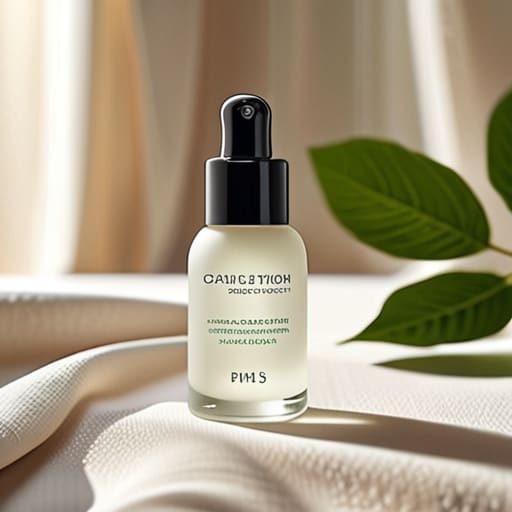
When my skin barrier was at its worst, my instinct was to attack every red, angry bump with the strongest stuff I could find. I thought more aggression meant faster results, but I was actually just fueling the fire. If you’re looking into reducing facial inflammation, the secret isn’t more power; it’s more patience. When your skin is flared up, it’s essentially sending out a distress signal. Instead of reaching for harsh scrubs that tear at the surface, I’ve learned to lean into soothing, barrier-supporting ingredients that calm the chaos rather than adding to it.
This is where a really intentional, gentle skincare for sensitive skin approach becomes a game-changer. I like to think of it as lowering the temperature of your routine. If you are using something like salicylic acid for acne, try not to overdo it—use it strategically rather than saturating your skin every single hour. The goal is to support your skin’s natural rhythm, not fight against it. When we stop treating our faces like a battleground, the redness starts to fade, and we finally get that sense of calm back.
My Non-Negotiables for Keeping Breakouts at Bay
- Stop the “scrubbing” urge. When I see a breakout, my instinct is to scrub it away, but that just destroys my skin barrier and makes inflammation worse. Switch to a gentle, non-foaming cleanser that leaves your skin feeling soft, not tight.
- Don’t fear the moisturizer. It sounds counterintuitive when you’re feeling oily, but skipping moisturizer actually signals your skin to produce more oil to compensate. Look for lightweight, oil-free gels that hydrate without clogging your pores.
- Pick your battles with actives. You don’t need a cocktail of salicylic acid, benzoyl peroxide, and retinol all at once. Pick one targeted treatment and give it time to work—consistency beats intensity every single time.
- Clean your “hidden” culprits. I realized my breakouts weren’t just about what I was putting on my face, but what was touching it. Change your pillowcase every few days and keep your phone screen clean; it makes a massive difference.
- Listen to your skin’s signals. If your face feels stinging or looks extra red, that’s your cue to strip back the routine. Sometimes the best thing you can do for acne-prone skin is to do absolutely nothing except hydrate and rest.
My Three Non-Negotiables for Calmer Skin
Stop the “more is better” cycle; when your skin is breaking out, adding more harsh actives usually just feeds the cycle of irritation.
Focus on barrier repair first, because a healthy, hydrated skin barrier is your best natural defense against acne.
Simplify your shelf to a few reliable, science-backed essentials so your routine feels like a moment of peace rather than another chore on your to-do list.
Less is More
“We’ve been conditioned to think that fighting acne requires a war against our skin, but after ruining my own barrier with too many harsh actives, I’ve learned that healing actually starts with peace, not more acid.”
Neha Rajagopal
Finding Your Calm Amidst the Breakouts

At the end of the day, managing acne-prone skin isn’t about finding a magic wand or buying every trending serum on your feed. It’s about recognizing that your skin is a living, breathing organ that responds to how you treat it—both physically and emotionally. We’ve talked about the importance of controlling oil without stripping your barrier and the necessity of calming inflammation through gentle, intentional movements. If you can strip your routine down to those few, reliable essentials that respect your skin’s natural rhythm, you’ll find that the cycle of irritation starts to break. Remember, consistency beats intensity every single time when it comes to long-term skin health.
I know how exhausting it is to wake up, look in the mirror, and feel like your skin is working against you. I’ve been there, staring at a breakout and feeling like I’d failed. But please, try to be kind to yourself. Your worth is never defined by the texture of your skin or the presence of a few blemishes. Skincare should be your quiet moment of peace, a way to reconnect with yourself, rather than another item on a stressful to-do list. Take a deep breath, stick to the basics, and let your skin heal at its own pace. You’ve got this.
Frequently Asked Questions
How can I tell if I'm actually breaking out or if I've just compromised my skin barrier with too many actives?
This is such a common trap, and honestly, I’ve been there. If it’s a true breakout, you’ll usually see localized bumps or whiteheads in your usual problem areas. But if your skin feels tight, looks shiny in a “plastic” way, or stings when you apply even your gentlest moisturizer, that’s your barrier screaming for help. Acne is an irritation; a compromised barrier is a wound. Listen to that sting—it’s time to scale back.
Is it possible to manage my acne without using those harsh, drying treatments that leave my skin feeling tight and uncomfortable?
Oh, absolutely. Honestly, I used to think that “squeaky clean” meant my acne was actually being treated, but I was just destroying my moisture barrier. That tight, uncomfortable feeling is actually a huge red flag. You can definitely manage breakouts by focusing on soothing ingredients like niacinamide or centella, rather than stripping your skin bare. It’s about calming the inflammation, not punishing your face with harsh acids every single day.
What are some low-maintenance ways to keep my skin clear when my schedule gets chaotic and I don't have time for a long routine?
When life gets chaotic, my skin usually feels it too. Honestly, when I’m swamped, I strip everything back to the absolute basics. Don’t try to squeeze in a ten-step routine; you’ll just end up stressed and potentially irritating your barrier. Stick to a gentle cleanser, a lightweight moisturizer, and SPF. If you can only manage two minutes, just focus on cleansing and hydrating. Keeping it simple is better than doing a complex routine poorly.
